Confidential AI Infrastructure: GPU Attestation, Hardware Trust, and the Future of Regulated Workloads
Read More
09 Oct 2026
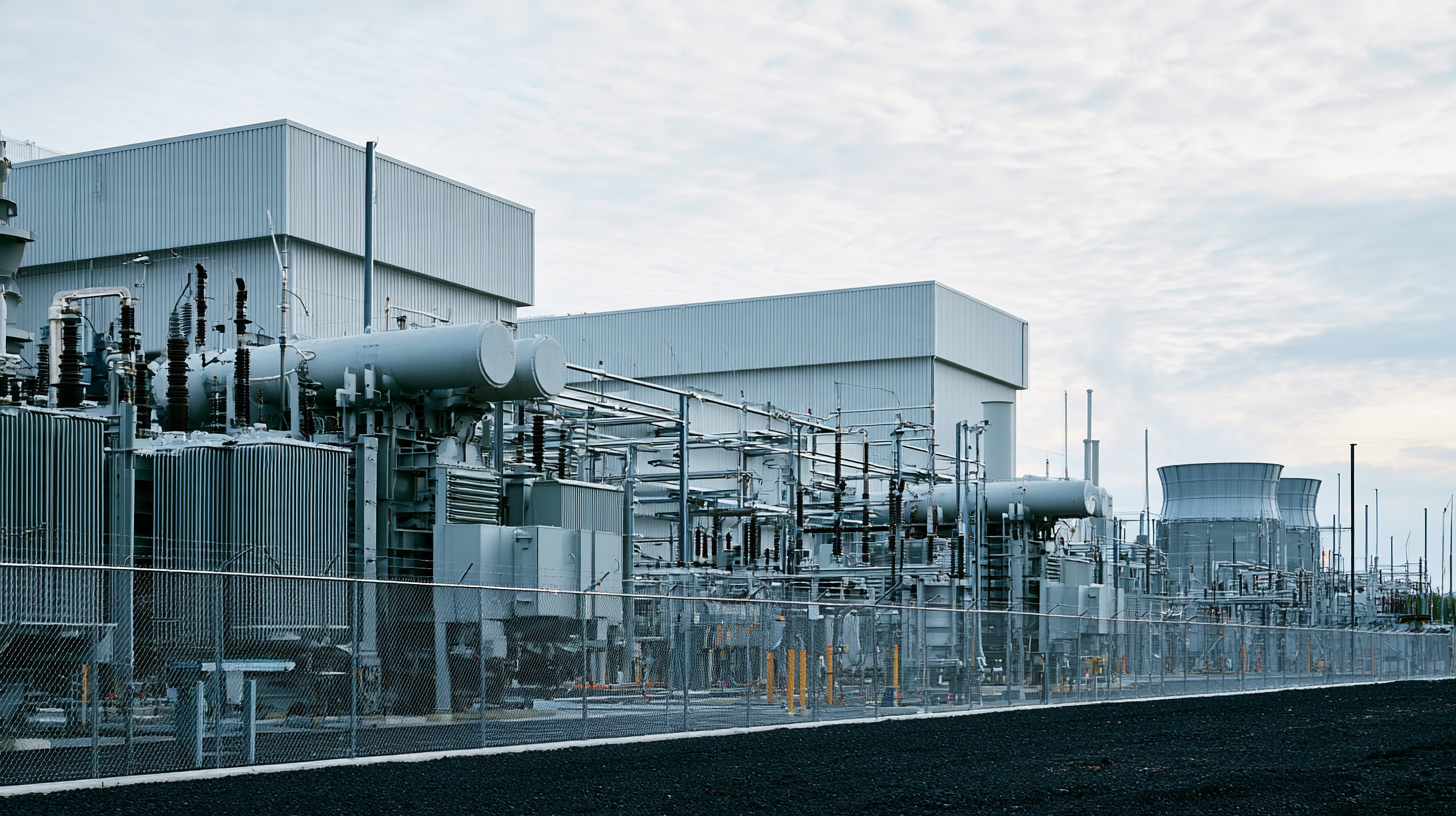
Enterprise AI infrastructure TCO begins before the first GPU enters a rack. It begins with power availability, thermal design, cooling efficiency, rack density, network topology, operational discipline, and the percentage of accelerator capacity that performs useful work over time.
Hardware acquisition price remains visible because it appears on purchase orders. The larger economic drivers sit underneath. A GPU cluster consumes power continuously, rejects heat continuously, and requires specialized networking, high-throughput storage, skilled operations, and capacity management. If utilization falls, the enterprise still carries the full cost of the facility, hardware, support, and energy base. If cooling limits performance, accelerator throughput drops while cost stays fixed.
This is why AI infrastructure economics are governed by thermodynamics as much as procurement. GPU power consumption sets the electrical load. AI data center cooling determines whether that load turns into sustained performance. GPU utilization optimization determines whether expensive accelerators produce business value or sit idle inside a well-funded bottleneck.
The market has made this constraint visible.
North American primary data center markets have reached 1.4% vacancy, a record low. (CBRE, H2 2025)
Wholesale colocation asking rates continue to reflect the scarcity of capacity.
Wholesale colocation asking rates reached $196 per kW per month in North America in 2025, up 6.6% year over year. (CBRE, H2 2025)
Blackwell hardware waitlists have reached 12 months in many cases. Meanwhile, 81% of enterprise AI projects stall because of infrastructure gaps rather than model quality. The bottleneck has moved from model ambition to infrastructure execution.
AI clusters scale through electricity. Power availability determines how many accelerators can operate, how densely they can be deployed, and how quickly an enterprise can expand.
Many legacy facilities operate around 10 to 20 kW per rack, while AI-optimized environments can support 130+ kW per rack. (CBRE, H2 2025)
That density changes the economic model. More compute fits inside the same physical footprint, but only when power distribution, cooling, and structural design align.
Power also shapes timing. A purchase order for hardware creates little value if the enterprise lacks energized capacity. Utility interconnection queues, substation constraints, transformer lead times, and facility retrofits can stretch AI infrastructure plans far beyond product timelines. Delayed capacity becomes an opportunity cost. Product teams wait, data teams ration workloads, and leadership sees AI investment produce less than expected because the physical layer failed to keep pace.
Infinite Compute addresses this constraint through vertically integrated managed AI infrastructure that connects power, facilities, and compute hardware under one operating model. Its committed power pipeline across North America gives enterprise buyers a clearer path from current workloads to larger clusters over time. Renewable energy across Canadian and US sites supports long-term planning for organizations with sustainability and governance requirements.
When energy strategy sits outside the compute strategy, scale becomes dependent on external queues. When energy, facility design, and compute deployment are planned together, capacity decisions become more predictable.
For a detailed look at how power access shapes AI infrastructure capacity, see The Gigawatt Pipeline: Why Power Access Determines AI Infrastructure Capacity.
Every watt delivered to a GPU becomes heat. Cooling architecture determines whether that heat is removed efficiently enough to sustain full performance, which makes AI data center cooling a primary economic control rather than a facilities detail.
Power usage effectiveness, or PUE, provides a simple lens.
A facility operating at a PUE of 1.2 draws 1.2 units of total power for every 1 unit consumed by compute equipment.
Lower PUE improves the share of electricity devoted to productive compute, and at AI scale, small PUE differences compound across thousands of accelerators and multi-year commitments.
Cooling design also affects performance stability. Dense GPU systems rely on tight thermal control. If heat rejection falls behind load, systems throttle. Thermal throttling lowers clock speeds, reduces throughput, and extends training or inference time. The enterprise still pays for the same hardware, facility, and staffing while useful output declines. This is one of the clearest examples of thermodynamics influencing AI infrastructure TCO.
Infinite Compute designs for high-density AI loads. Enterprise AI workloads rarely remain static. Model sizes grow, inference demand becomes continuous, and training schedules intensify. Cooling headroom allows infrastructure to support that growth without forcing disruptive facility redesign.
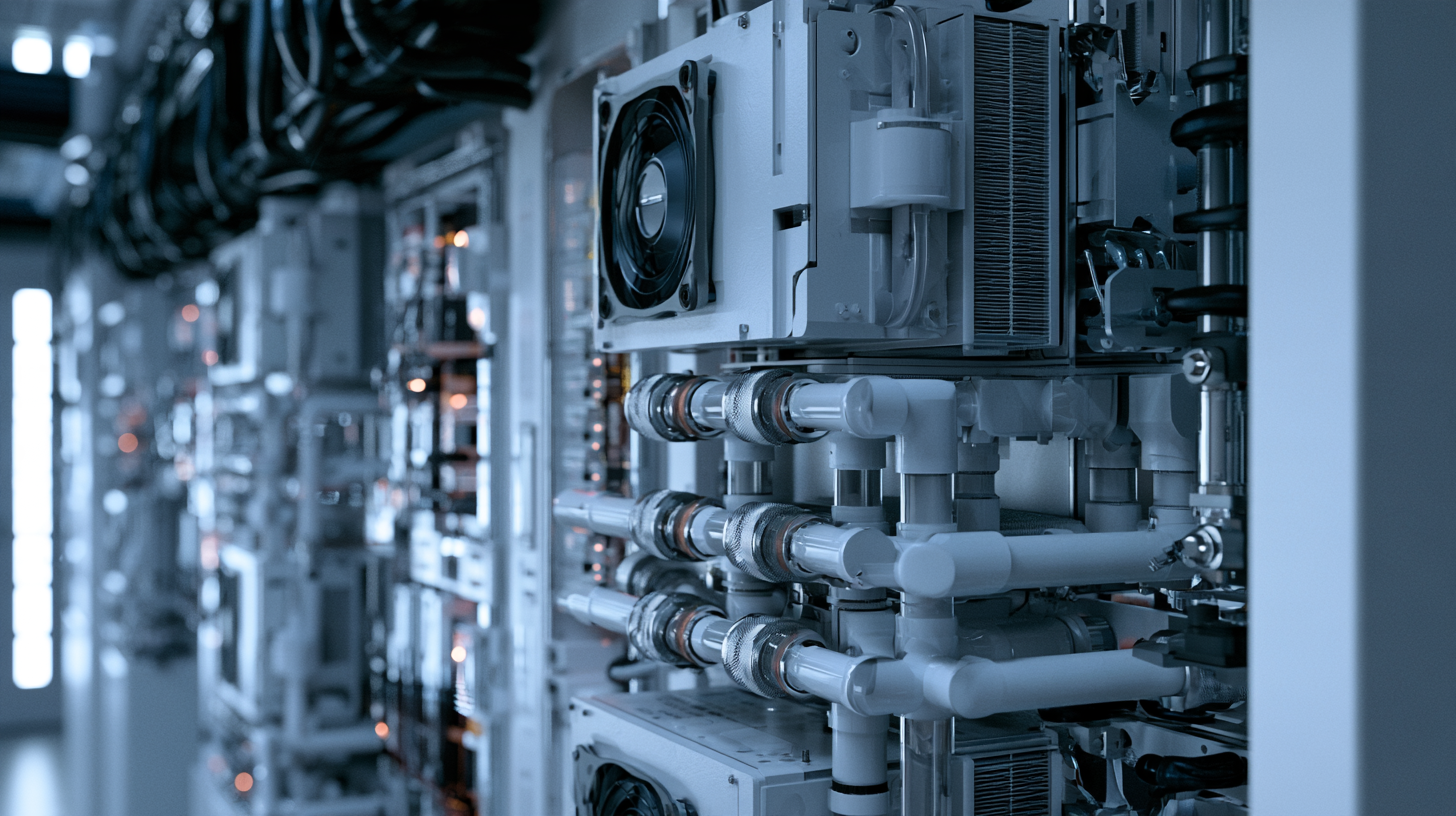
A complete AI infrastructure TCO model includes every layer required to convert energy and silicon into reliable model output. Hardware cost represents one component among many:
Together, these layers determine whether infrastructure performs as an integrated production system rather than a collection of expensive components.
Downtime and stranded capacity add further penalties. Missed training windows, unavailable inference services, overprovisioned clusters, and fragmented GPU pools erode ROI even when nominal infrastructure cost appears controlled. A credible TCO model captures all of these variables. A narrow model centered on hardware price gives leadership an incomplete answer.
GPU utilization optimization separates theoretical capacity from realized value. A cluster can look large on paper while producing poor economics in practice. The key question is how many accelerator hours support useful work at target performance.
Low utilization has many causes:
Each failure mode raises the effective cost per utilized GPU-hour. Total infrastructure cost divided by useful GPU hours equals the real economic unit.
If only half of available accelerator time produces valuable work, the effective cost of useful compute doubles before model quality enters the conversation.
Inference economics follow the same pattern. Cost per inference depends on tokens processed per watt, batching efficiency, memory use, latency targets, and accelerator occupancy. Underused GPUs make each inference more expensive, even when the hardware generation is strong.
The most important word is sustained. Peak utilization during a benchmark carries limited value. Production economics depend on utilization across days, weeks, and months, through mixed workloads, maintenance events, and growth cycles.
AI workloads place different demands on infrastructure. Foundation model training requires large contiguous GPU clusters and high-bandwidth interconnects. Retrieval-augmented generation depends on storage, vector systems, and inference serving. High-volume inference emphasizes throughput, latency consistency, and cost per token. Agentic workflows create bursty demand patterns and variable context requirements.
Capacity planning must therefore begin with workload forecasting. Leaders need to understand model roadmaps, training frequency, inference growth, data volume, latency requirements, and governance constraints. Forecasting should separate steady demand from burst demand and account for hardware generation changes.
Regional energy economics add another dimension. AI infrastructure placed near stable, scalable, renewable power improves long-term predictability. The closer the operator sits to power, facility design, and hardware deployment, the more variables can be managed before they reach the customer’s AI roadmap.
Managed AI infrastructure gives enterprises a path to consume high-density AI capacity without internalizing every facility, power, cooling, hardware, and operations variable. The model works best when it improves utilization, simplifies operations, and supports predictable scaling.
Infinite Compute’s approach is vertically integrated. The company owns its power, facilities, and compute hardware across Canada and the United States. That structure connects the major TCO drivers that often sit in separate vendor relationships. Power planning informs facility design. Facility design informs cooling architecture. Cooling architecture informs rack density. Rack density informs cluster layout, utilization, and workload performance.
Infinite Compute supports bare metal clusters from 8 to 10,000+ GPUs connected with InfiniBand NDR. This range allows enterprises to align capacity with workload stage, from focused production deployments to large-scale training environments. Its NVIDIA Partner Network certification supports hardware allocation planning in a constrained market, and zero egress fees on the cloud platform reduce data movement friction as model weights, training sets, and checkpoints move across environments.
Modular deployment also affects scaling economics.
Traditional data center construction often takes 18 to 24 months.
Faster modular deployment reduces the gap between forecasted demand and available infrastructure, which lowers the risk of overbuying far in advance or waiting too long to expand. Managed infrastructure also improves operational focus. Enterprise AI teams can concentrate on model strategy, data quality, and business outcomes while infrastructure specialists handle hardware lifecycle management, capacity planning, and operational execution.
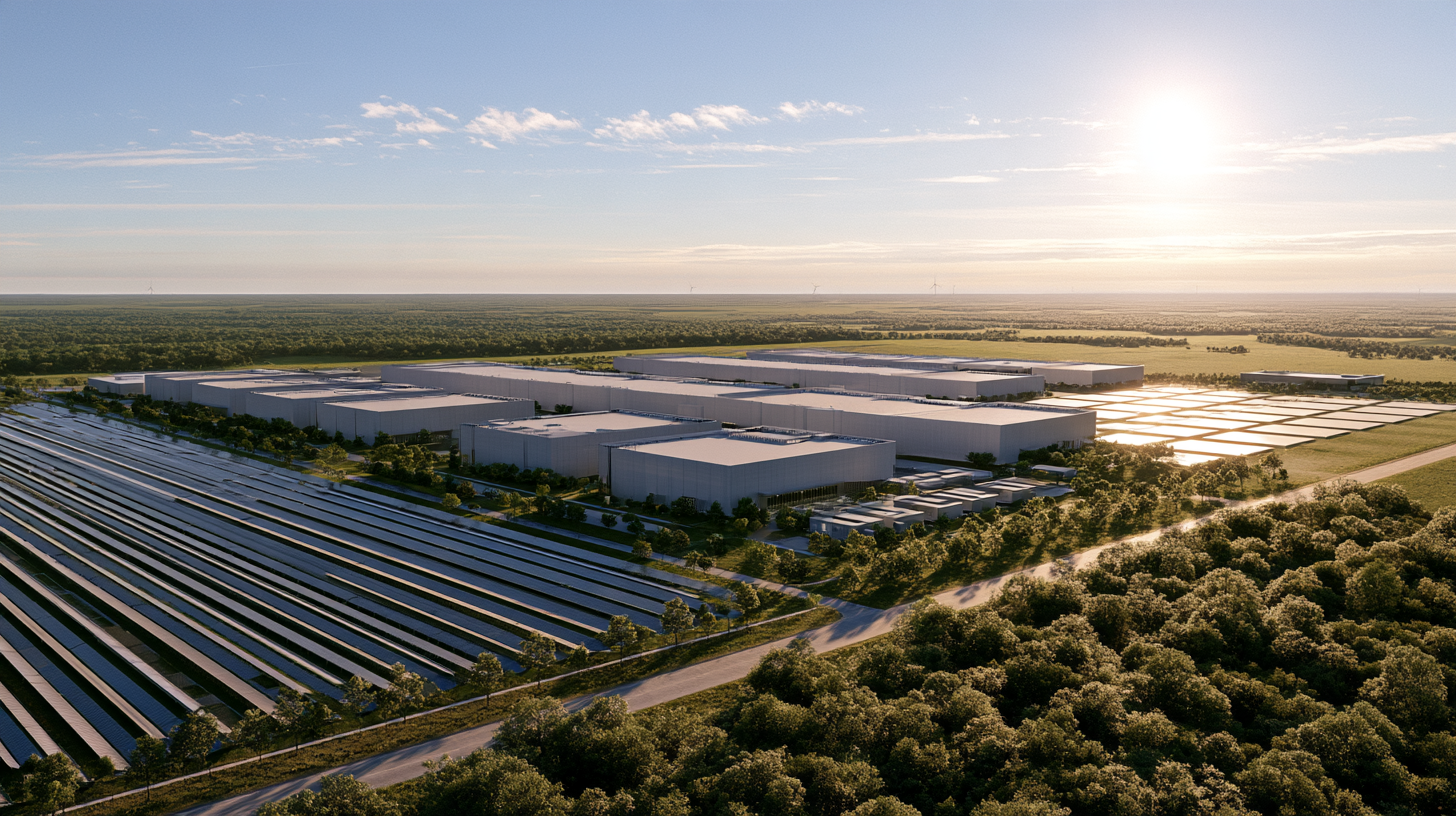
An effective evaluation should connect technical architecture to workload demand and business output:
This framework keeps the evaluation focused on sustained production value instead of nominal hardware capacity.
For a comparison of enterprise AI infrastructure providers, see Best Managed AI Infrastructure Providers for Enterprise (2026).
AI infrastructure has entered an industrial phase. The economics now depend on how efficiently organizations convert electricity into model output. Power availability sets the ceiling. Cooling efficiency protects performance. Rack density determines how much compute fits inside the facility envelope. Workload design shapes the cost curve. Utilization determines the real cost of useful work. Operations turn a cluster from a capital asset into a production system.
AI economics reward infrastructure that stays fully powered, properly cooled, densely deployed, continuously observed, and highly utilized. The enterprises that understand this will measure compute by business output, not installed capacity, and build AI strategies around the physical and operational disciplines required for sustained growth.
Talk to the Infinite Compute team about AI infrastructure TCO and managed deployment options for enterprise workloads.
Disclaimer: InfiniBand is a trademark of NVIDIA Corporation.
New
New
New

.svg)


