Confidential AI Infrastructure: GPU Attestation, Hardware Trust, and the Future of Regulated Workloads
Read More
09 Oct 2026
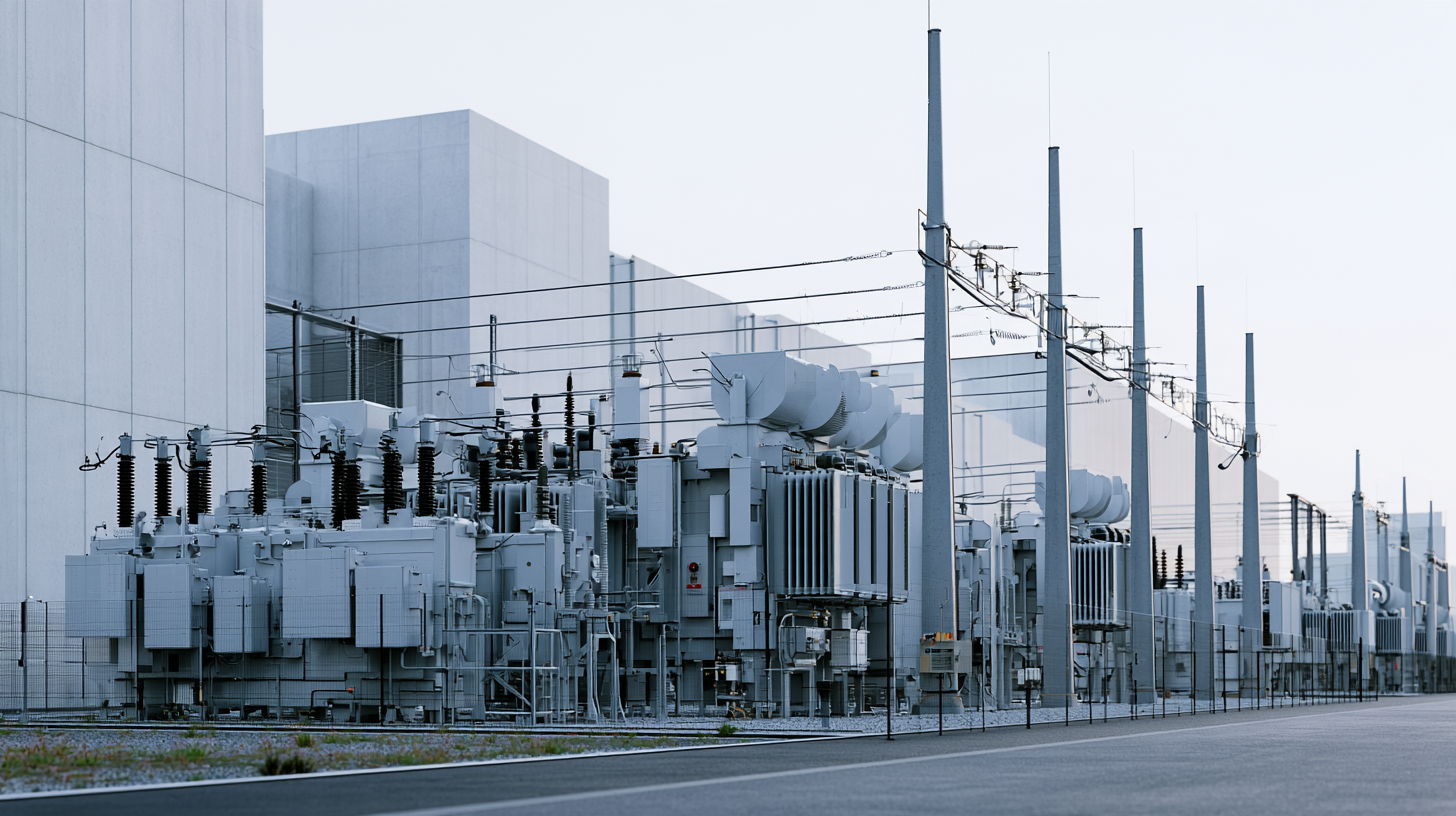
Large-scale AI training has become an infrastructure discipline. Model architecture, data quality, and talent still matter. Yet production training programs increasingly stall at the physical layer: power, GPUs, networking, storage, facilities, and operations.
Across enterprises, 81% of AI projects stall because of infrastructure gaps rather than model quality.
Capacity has tightened at the same time.
North American primary data center markets reached a record-low 1.4% vacancy rate, while wholesale colocation asking rates reached $196 per kW per month in 2025, up 6.6% year over year. (CBRE, H2 2025)
Direct procurement of advanced GPU systems can involve 12-month waitlists for Blackwell-class hardware.
For enterprise CTOs, CIOs, Heads of AI, and AI platform leaders, AI training infrastructure has become a strategic platform decision. The right infrastructure shortens training cycles, raises GPU utilization, improves reliability, and gives the enterprise predictable access to capacity. The wrong infrastructure turns model development into a scheduling problem.
Large-scale AI training places sustained, synchronized pressure on every layer of the stack. A weak storage layer starves GPUs. A poor network topology slows distributed training. A constrained power design limits rack density. A fragmented operating model increases downtime and reduces utilization.
High-density GPU compute sits at the center. Modern training workloads demand clusters that can scale from a small dedicated pod to thousands of GPUs under a single operational model. Infinite Compute supports bare metal clusters from 8 to 10,000+ GPUs, connected with InfiniBand NDR for distributed workloads. Enterprise AI teams train foundation models, domain-specific models, multimodal systems, and specialized reasoning models that require sustained access to large pools of accelerators.
Density matters as much as raw GPU count. Legacy facilities were commonly designed around 10 to 20 kW per rack. Infinite Compute designs for 130+ kW per rack, with liquid-cooled infrastructure built for current and future accelerator generations. At that density, power delivery and cooling become part of the training system rather than background utilities.
Predictable capacity access shapes the timeline. Traditional data center construction can take 18 to 24 months. Infinite Compute’s modular Rowtie deployment model is designed for 8 to 12 week deployment cycles, compressing the path from planned capacity to usable training infrastructure. That speed matters when an AI roadmap depends on model release schedules, regulatory deadlines, or product commitments.
Reliability completes the baseline. Training runs can last days, weeks, or longer, and a fault in one part of the cluster can waste expensive compute time if orchestration, checkpointing, monitoring, and recovery practices lag behind the workload.
Distributed training depends on coordination. As model and data parallelism spread work across many GPUs, each accelerator must exchange gradients, parameters, and synchronization signals with minimal delay. The faster that exchange happens, the more time GPUs spend computing rather than waiting.
Low-latency, high-bandwidth interconnects directly affect utilization. In a large cluster, network inefficiency compounds quickly. A cluster with strong individual GPUs and weak networking delivers disappointing effective performance because utilization drops under synchronization pressure.
InfiniBand NDR is widely used for high-performance distributed training because it supports high bandwidth, low latency, and Remote Direct Memory Access. RDMA allows data movement between systems with reduced CPU involvement, which helps preserve accelerator cycles for training. In multi-node workloads, that architectural detail influences time to model completion.
Consistency matters as much as peak throughput. Enterprise teams need predictable job behavior, especially when training schedules feed downstream evaluation, safety review, and product release gates. Dedicated GPU clusters give AI platform teams more control over topology, workload placement, fabric utilization, and noisy-neighbor risk.
The best GPU clusters for AI training are built as systems. GPU model, node design, network fabric, storage path, orchestration layer, and monitoring stack all influence effective throughput. The enterprise outcome is completed training runs, reproducible performance, and higher utilization across committed capacity.
For a deeper look at how power constraints shape AI capacity, see The Gigawatt Pipeline: Why Power Access Determines AI Infrastructure Capacity.

Training infrastructure fails economically when GPUs wait for data. Storage and data pipelines must deliver sustained throughput, rapid access to large datasets, reliable checkpointing, and efficient movement across preprocessing, training, validation, and archiving stages.
A single training job can produce intense demand across metadata operations, sequential reads, random reads, and intermediate writes. Without a storage architecture designed for AI, data access becomes the bottleneck. Long runs also need regular checkpoints to reduce loss from failures, preemptions, or software errors. Checkpoints can be large and frequent, and the storage system must absorb those writes while training continues.
Dataset movement affects cost and schedule as well. Data may originate in existing cloud environments, enterprise storage platforms, or controlled jurisdictions, and moving it into the training environment requires bandwidth planning, governance review, and repeatable processes. Infinite Compute’s cloud platform offers zero egress fees, which supports more predictable data movement economics.
GPU starvation is the practical risk that connects all storage decisions. When input pipelines lag, accelerators idle. Preventing starvation requires the storage layer, data loaders, network, and orchestration system to operate as one pipeline.
Enterprises generally evaluate four paths for large-scale AI training:
These models differ most sharply in predictability, operational responsibility, and the ability to scale without disrupting training schedules.
Enterprise GPU cloud spend for mid-sized teams often exceeds $40K per month.
A facility designed for conventional enterprise IT often lacks the power and cooling profile required for 130+ kW AI racks, and building or retrofitting capacity can stretch across many months.
Managed AI infrastructure addresses the gap between raw capacity and enterprise outcomes. It gives AI platform teams dedicated compute access without the weight of operating the entire physical stack, and it gives executive sponsors clearer cost visibility.
Infinite Compute is a vertically integrated AI infrastructure company that owns its power, facilities, and compute hardware across Canada and the United States. That operating model matters because power has become the gating resource for AI training infrastructure.
Infinite Compute has a gigawatt scale pipeline across North America, supported by renewable energy across Canadian and US sites. That scale gives enterprise customers a clearer path from initial dedicated clusters to larger AI factory deployments.
The platform is built around dedicated GPU clusters for training and production AI workloads. Bare metal clusters scale from 8 to 10,000+ GPUs and use InfiniBand NDR connectivity for distributed training. High-density rack design supports 130+ kW per rack, while efficiency targets include PUE below 1.2. The facilities and modular deployment model are designed for the power and thermal realities of modern AI hardware rather than legacy colocation assumptions.
Infinite Compute’s NVIDIA Partner Network certification supports priority hardware allocation, which is significant in a market where direct procurement of advanced systems can involve long waitlists. For enterprises evaluating Blackwell-era infrastructure, supply access and deployment execution carry as much weight as individual accelerator performance.
Managed AI infrastructure from Infinite Compute supports enterprise training through orchestration, monitoring, operational support, workload migration, and scalability planning. The operating model helps teams move from fragmented GPU access toward controlled capacity aligned with training schedules.
Security and governance remain central for enterprise buyers. Infinite Compute maintains SOC 2 Type II controls, giving customers a recognized assurance framework for evaluating operational and security practices. For AI leaders managing proprietary data, model weights, and intellectual property, the infrastructure decision must include trust, auditability, and control alongside performance.
The result is a managed AI infrastructure model built for enterprise AI training rather than ad hoc compute consumption. Dedicated capacity gives platform leaders more control over timelines, high-density design gives technical teams room for larger clusters, and vertical integration reduces the burden on internal teams.
For a comparison of enterprise AI infrastructure providers, see Best Managed AI Infrastructure Providers for Enterprise (2026).
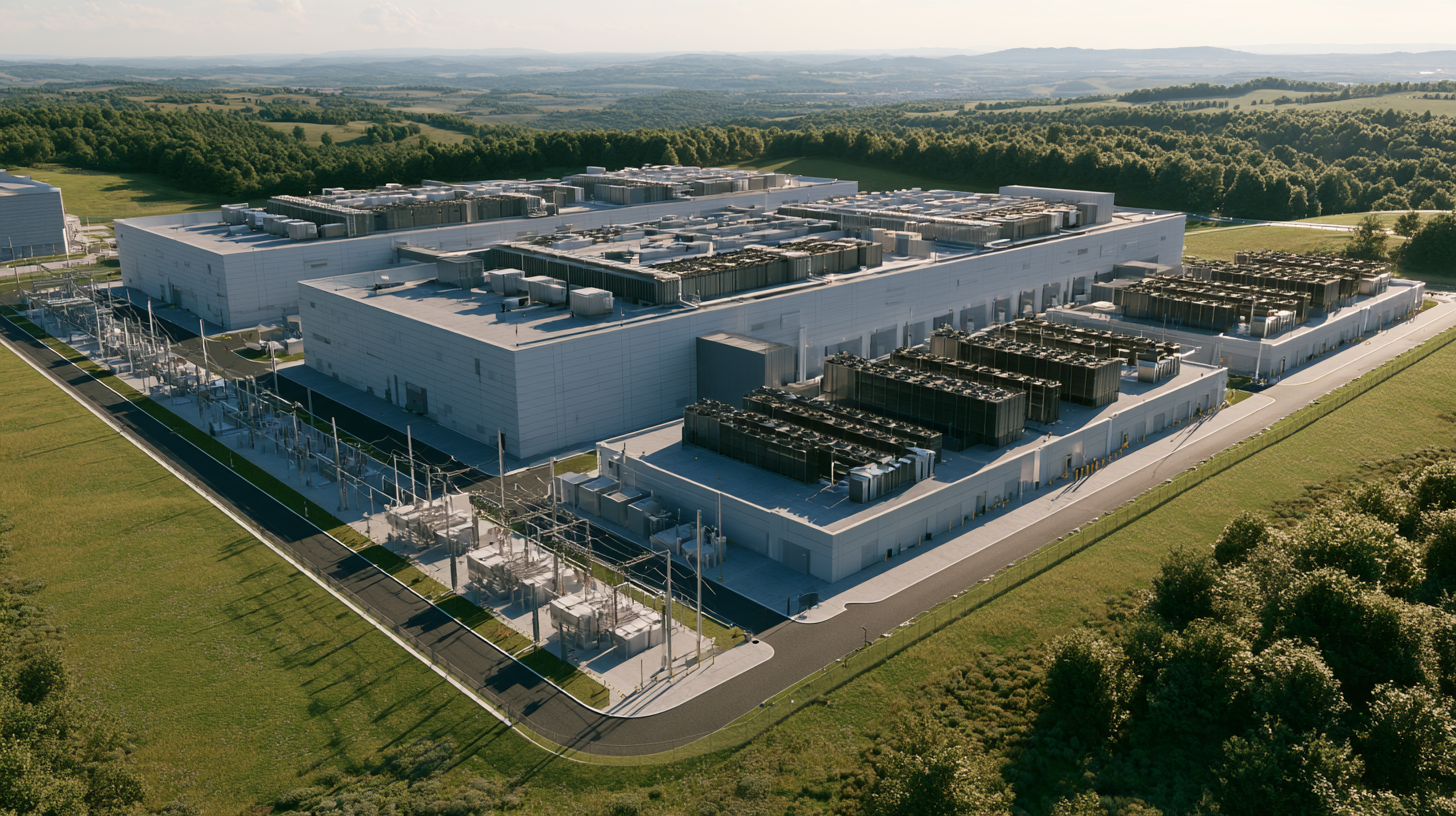
A serious evaluation should focus on the factors that most directly affect training performance and business timelines:
Together, these checks connect infrastructure specifications to completed training runs, reliable operations, and long-term scalability.
Direct questions for prospective providers should cover dedicated capacity timelines, scaling paths from tens to thousands of GPUs, interconnect design, storage throughput and checkpointing, operational support during migration, governance controls, and how the provider prevents GPU starvation. These questions separate infrastructure marketing from operational readiness.
Large-scale AI training rewards enterprises that treat infrastructure as a production system. High-density GPU compute, low-latency interconnects, high-throughput storage, reliable operations, secure controls, and predictable capacity all contribute to model velocity. Each weak layer slows the entire program.
Managed dedicated GPU clusters give enterprise AI teams a practical path to scale without absorbing the full complexity of power, facilities, hardware procurement, and cluster operations. In a market defined by constrained supply and rising density requirements, the enterprises that secure power, density, networking, and operational control first will set the pace for model capability. That is the infrastructure standard for large-scale AI training.
Talk to the Infinite Compute team about dedicated GPU infrastructure for large-scale AI training.
Disclaimer: InfiniBand is a trademark of NVIDIA Corporation.
New
New
New

.svg)


