Confidential AI Infrastructure: GPU Attestation, Hardware Trust, and the Future of Regulated Workloads
Read More
09 Oct 2026
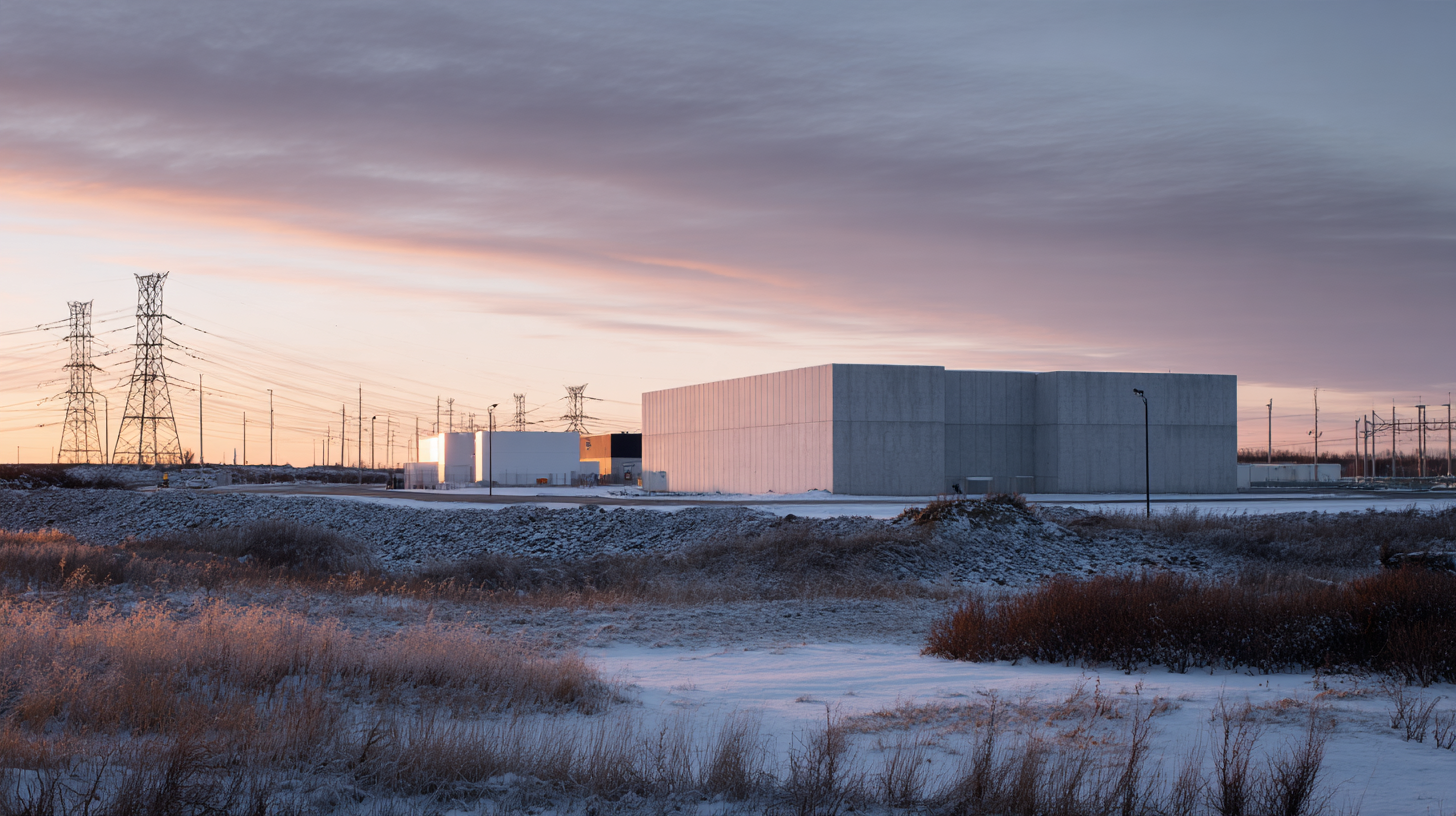
Canadian data sovereignty has moved from a compliance discussion to an infrastructure decision. Enterprise AI workloads create, transform, and retain sensitive information across training datasets, embeddings, model weights, prompts, outputs, telemetry, logs, backups, and operational metadata. Each layer carries governance implications and can cross a boundary unless the architecture, contracts, and operating model are designed to keep it under Canadian control.
For enterprise CTOs, CIOs, VPs of Engineering, and Heads of AI, sovereign AI infrastructure means evaluating more than GPU availability. AI compute procurement now requires proof of where data resides, where processing occurs, who can access systems, how backups replicate, how keys are controlled, and how evidence is produced during an audit or incident response.
This article provides procurement context rather than legal advice. Obligations vary by industry, province, contract, and data type. The infrastructure principle remains consistent: Canadian AI workloads need a clear residency boundary, control model, and accountability structure.
Data residency describes where data is stored. For AI, that includes object storage, model checkpoints, vector databases, application data, logs, monitoring data, snapshots, backup images, fine-tuned weights, adapters, embeddings, tokenized datasets, and evaluation outputs.
Data localization goes further. It requires data to remain within a defined geographic boundary for storage, processing, and sometimes access. A system with Canadian storage but foreign processing creates a weaker sovereignty posture. AI workloads often move data between training, inference, orchestration, observability, and support systems.
Data sovereignty adds legal and operational control. It concerns the laws, contractual commitments, ownership structures, access pathways, and support practices that govern the environment. A Canadian data center alone creates residency. A sovereign architecture requires evidence that data, keys, metadata, and administrative control remain within defined boundaries.
Jurisdictional control addresses the legal exposure of the provider, subcontractors, personnel, parent entities, and control-plane services. An AI compute provider may host workloads in Canada while relying on foreign support queues, backup targets, or telemetry platforms. For regulated enterprises, those dependencies matter.
Traditional enterprise systems usually have clearer data boundaries. AI workloads blur them. Training pipelines create derived datasets. Fine-tuning creates model artifacts that may contain sensitive patterns. Retrieval systems copy data into vector stores. Inference workloads generate prompts, outputs, traces, and evaluation logs. Observability platforms may capture payload fragments unless configured tightly.
Metadata deserves equal attention. System logs, request headers, job identifiers, user IDs, access events, and error traces can reveal sensitive business activity. For AI systems, metadata may show which models are used, which datasets are active, and which internal teams are working on high-value initiatives.
Backups increase the challenge. A production workload may sit in Canada while snapshots replicate to another jurisdiction. A model registry may store weights in one region and lifecycle metadata in another. Sovereign AI infrastructure starts with the full workload graph rather than the headline data center location.
PIPEDA sets the federal private-sector privacy framework for many Canadian organizations. It establishes accountability, safeguards, transparency, consent, access, and retention principles that influence how personal information is handled in AI systems. PIPEDA may allow cross-border processing in some contexts, yet it places accountability on organizations for information transferred to third parties. That makes vendor controls and contractual commitments central to AI compute procurement.
Provincial privacy laws add another layer. Some provinces have private-sector privacy statutes, and public-sector bodies may face additional rules affecting storage, access, disclosure, audit rights, breach reporting, and foreign access. These requirements often shape procurement language around residency, subcontractors, incident notification, and records management.
Canada's federal investment of CAD $2.4B in sovereign AI infrastructure reflects the strategic importance of domestic compute capacity.
Federal intake processes for large-scale AI data centers also emphasize sovereignty factors such as Canadian ownership, Canadian data residency, and Canadian vendors. These requirements affect more than primary datasets. A contract that covers customer data while excluding logs or derived artifacts leaves a material governance gap.
AI compute procurement now occurs in a constrained market.
North American primary data center vacancy has reached a record low of 1.4%. Wholesale colocation asking rates reached approximately $196 per kW per month in 2025, up 6.6% year over year. (CBRE, H2 2025)
Direct hardware procurement also creates schedule risk. Blackwell hardware waitlists can extend to 12 months. Enterprise teams building internal GPU infrastructure must secure power, cooling, network fabric, operations talent, and hardware lifecycle processes. The procurement issue becomes operational readiness rather than purchase approval.
AI-specific infrastructure requires different density. Legacy facilities commonly support 10 to 20 kW per rack. Modern AI clusters can require 130+ kW per rack. This changes facility design, cooling architecture, power distribution, and risk management. Canadian data sovereignty therefore depends on both jurisdiction and capability.
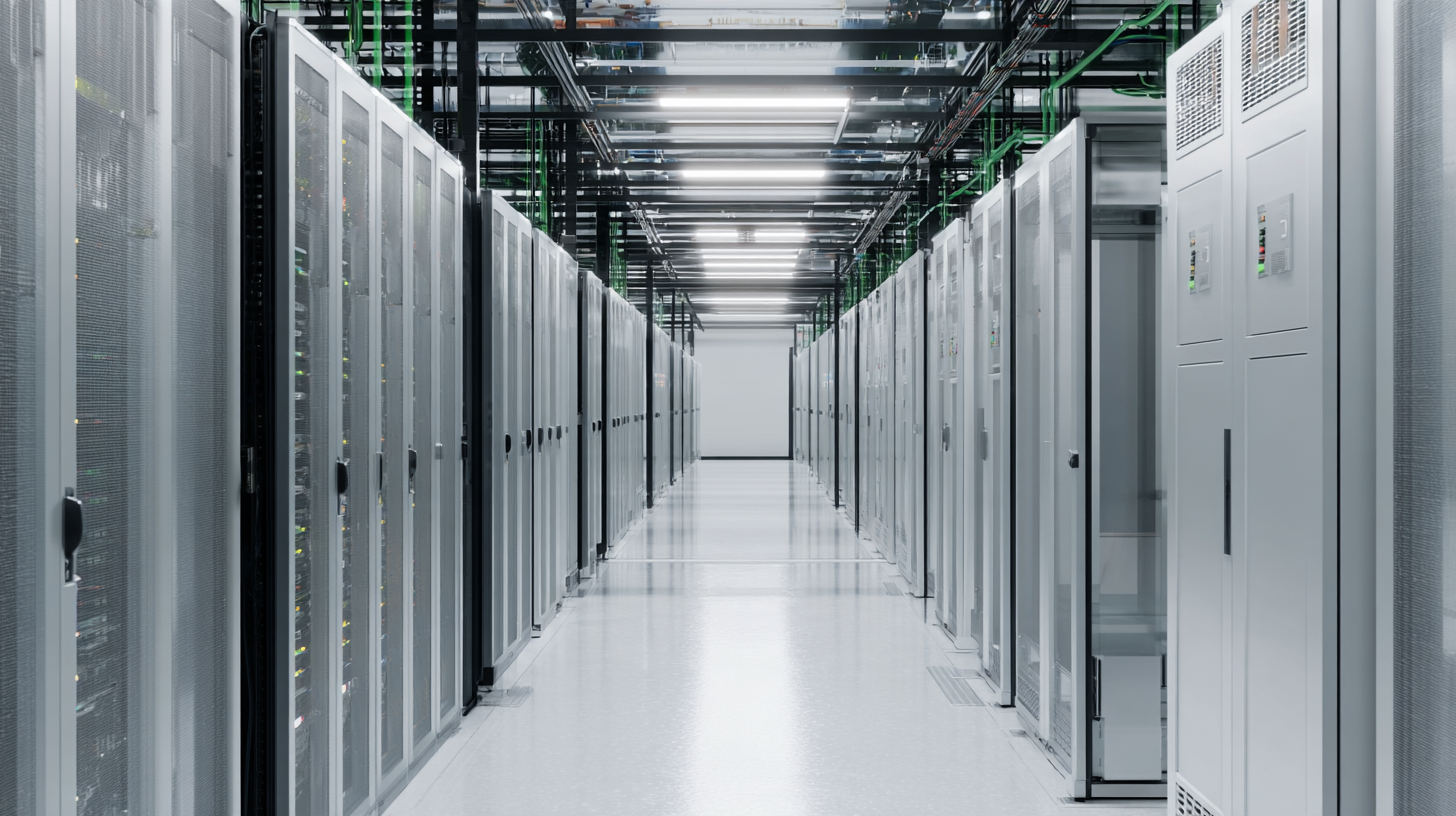
Buyers should evaluate sovereignty risks across the provider’s legal, technical, and operational environment:
Together, these factors determine whether sovereignty commitments apply to the complete service or only its most visible components.
A structured procurement process should connect workload classification to architecture, contractual obligations, and operations:
This framework helps procurement teams turn broad sovereignty objectives into requirements that can be tested throughout the vendor relationship.
Infinite Compute operates managed AI infrastructure for enterprises that need secure, scalable AI compute in Canada and across North America. Its model combines owned power, facilities, and compute hardware with managed operations. That vertical integration matters because AI procurement risk often begins upstream, at power availability, rack density, cooling capacity, and hardware access.
Infinite Compute has a multi-gigawatt committed power pipeline across North America and uses renewable energy across Canadian and US sites. Read more about how power access shapes AI infrastructure capacity: The Gigawatt Pipeline: Why Power Access Determines AI Infrastructure Capacity. In a market shaped by scarce data center vacancy and long hardware waitlists, secured power and managed deployment capacity carry strategic value.
The platform supports bare metal clusters from 8 to 10,000+ GPUs, connected with InfiniBand NDR. This range lets enterprise buyers align workloads with production requirements, from dedicated inference and fine-tuning environments to larger-scale training needs. High-density infrastructure, including 130+ kW per rack capability, supports current and emerging GPU thermal profiles. A PUE target below 1.2 reflects the efficiency standard required for large AI deployments.
Infinite Compute's modular Rowtie deployment model supports 8-to-12-week modular deployment, compared with 18 to 24 months for traditional data center construction. For enterprise AI teams facing production timelines, this compresses the path from procurement approval to usable capacity. It also supports phased growth as workloads mature.
Managed operations are central to the model. Infinite Compute handles infrastructure operations, workload orchestration, security controls, observability, capacity planning, and hardware lifecycle coordination. Enterprise teams gain access to Canadian GPU cloud capacity without absorbing the full burden of cluster operations, facilities management, and network fabric maintenance.
The security posture includes SOC 2 Type II compliance, which provides third-party evidence of operational controls and supports vendor risk review. The cloud platform also has zero egress fees, helping buyers evaluate data movement and exit planning without unclear transfer penalties.
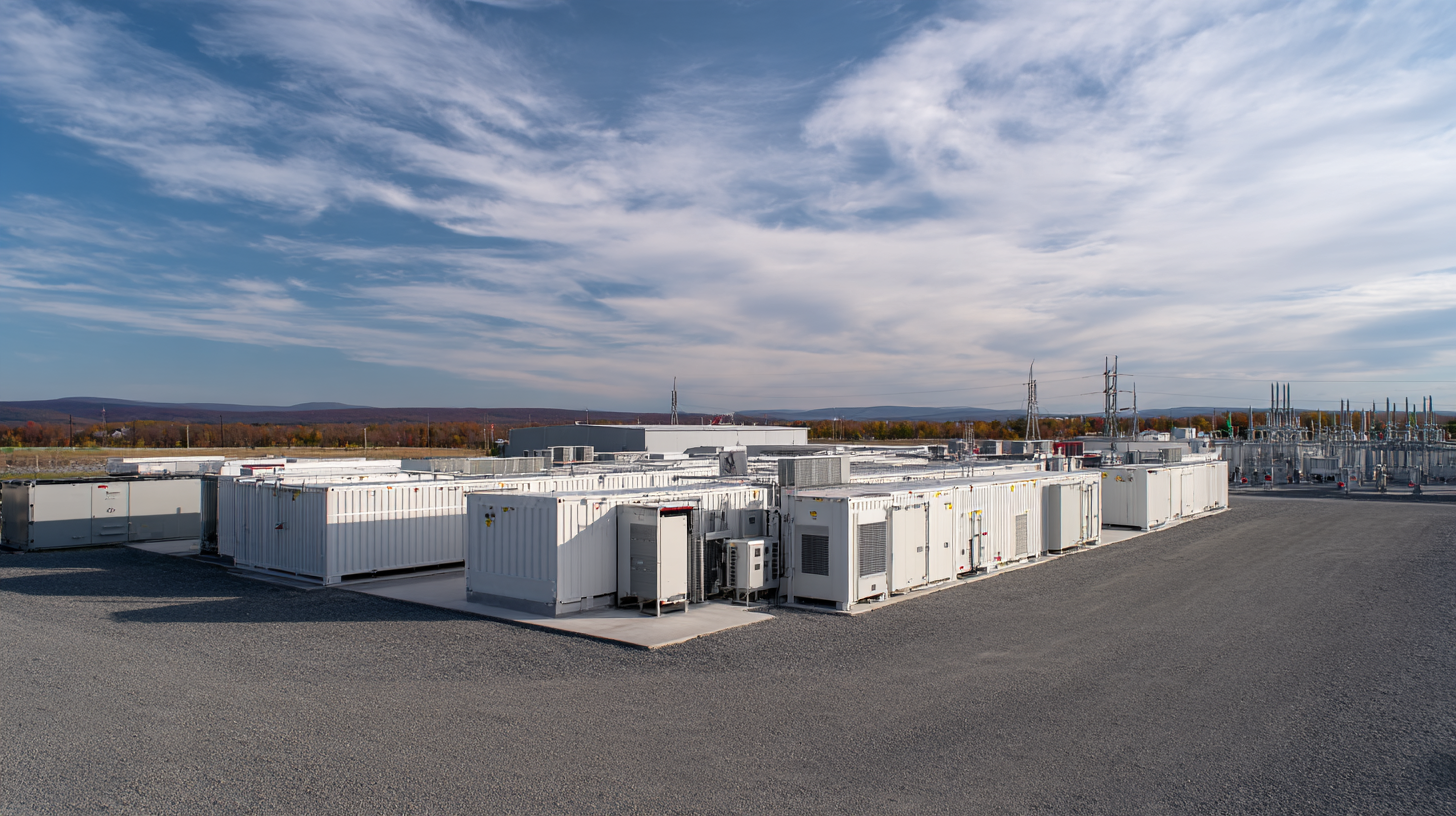
A credible Canadian data sovereignty model defines the full boundary: where workloads run, where persistent and ephemeral storage reside, where orchestration state is held, and whether support tools, monitoring systems, and backup targets remain within the same residency model. Business continuity should align with sovereignty requirements, since disaster recovery can introduce cross-border movement if backup architecture is left undefined.
Procurement teams should ask vendors questions that expose the complete operating boundary:
Clear answers allow enterprises to compare providers on enforceable controls rather than broad claims about Canadian hosting.
Canadian data sovereignty in AI compute procurement is a test of infrastructure maturity. The strongest vendors can define the boundary, operate inside it, prove controls, scale capacity, and remain accountable when production workloads depend on the platform. Enterprises should demand that level of clarity from the first procurement conversation, because the boundaries drawn today will shape enterprise AI strategy for years to come.
Talk to the Infinite Compute team about dedicated GPU infrastructure for Canadian data sovereignty and AI compute procurement.
Disclaimer: InfiniBand is a trademark of NVIDIA Corporation.
New
New
New




