Best Managed AI Infrastructure Providers for Enterprise (2026)
Read More
07 Sep 2026
.jpeg)
Production AI has outgrown the default cloud model for many enterprises. The issue starts with economics, then moves into capacity, performance, control, and governance. A team can absorb variability during experimentation. A production AI platform with customer-facing inference, fine-tuning pipelines, proprietary data, and multi-year roadmap commitments requires a stronger foundation.
AI workload migration has become a board-level infrastructure decision because enterprise AI demand now collides with constrained data center capacity and limited GPU supply.
North American primary data center markets sit at 1.4% vacancy, while wholesale colocation asking rates reached $196 per kW per month in 2025, up 6.6% year over year.
Direct procurement of Blackwell hardware can involve waitlists of up to 12 months.
81% of enterprise AI projects stall due to infrastructure gaps rather than model quality.
The migration from hyperscalers to dedicated AI infrastructure reflects that pressure. Enterprise buyers want predictable capacity, stable performance, clear operating models, and infrastructure aligned to production AI workloads rather than general-purpose cloud consumption.
Hyperscalers remain useful for broad enterprise IT and early AI experimentation. Their weakness appears when AI workloads become steady, high-value, and infrastructure-intensive. GPU clusters shift from occasional tools to critical systems, inference traffic becomes revenue-linked, and training pipelines require repeatable performance.
Mid-sized enterprise AI teams can exceed $40K per month in GPU cloud spend before broader data, storage, networking, and egress costs are fully accounted for.
Five pressures drive the migration conversation:
Together, these pressures turn capacity uncertainty and variable cloud consumption into business risks.
Dedicated AI infrastructure gives enterprises a controlled environment for training, fine-tuning, retrieval, and inference workloads. Predictable execution at scale requires dedicated GPU capacity, high-density power and cooling, fast interconnects, resilient storage, operational monitoring, and a managed service layer.
AI infrastructure behaves differently from traditional enterprise compute. Legacy facilities commonly support 10 to 20 kW per rack. AI-optimized environments require far higher density. Infinite Compute designs for 130+ kW per rack, with liquid-cooled infrastructure built for current GPU clusters and future expansion. A PUE below 1.2 is an industry-leading target because energy and cooling translate directly into operational sustainability and capacity planning discipline.
Dedicated infrastructure also shifts enterprise AI planning away from reactive consumption. Instead of chasing available instances, teams can reserve and operate around defined capacity. AI platform leaders gain clearer visibility into utilization, job behavior, storage bottlenecks, and cluster health, supporting better forecasting and governance.
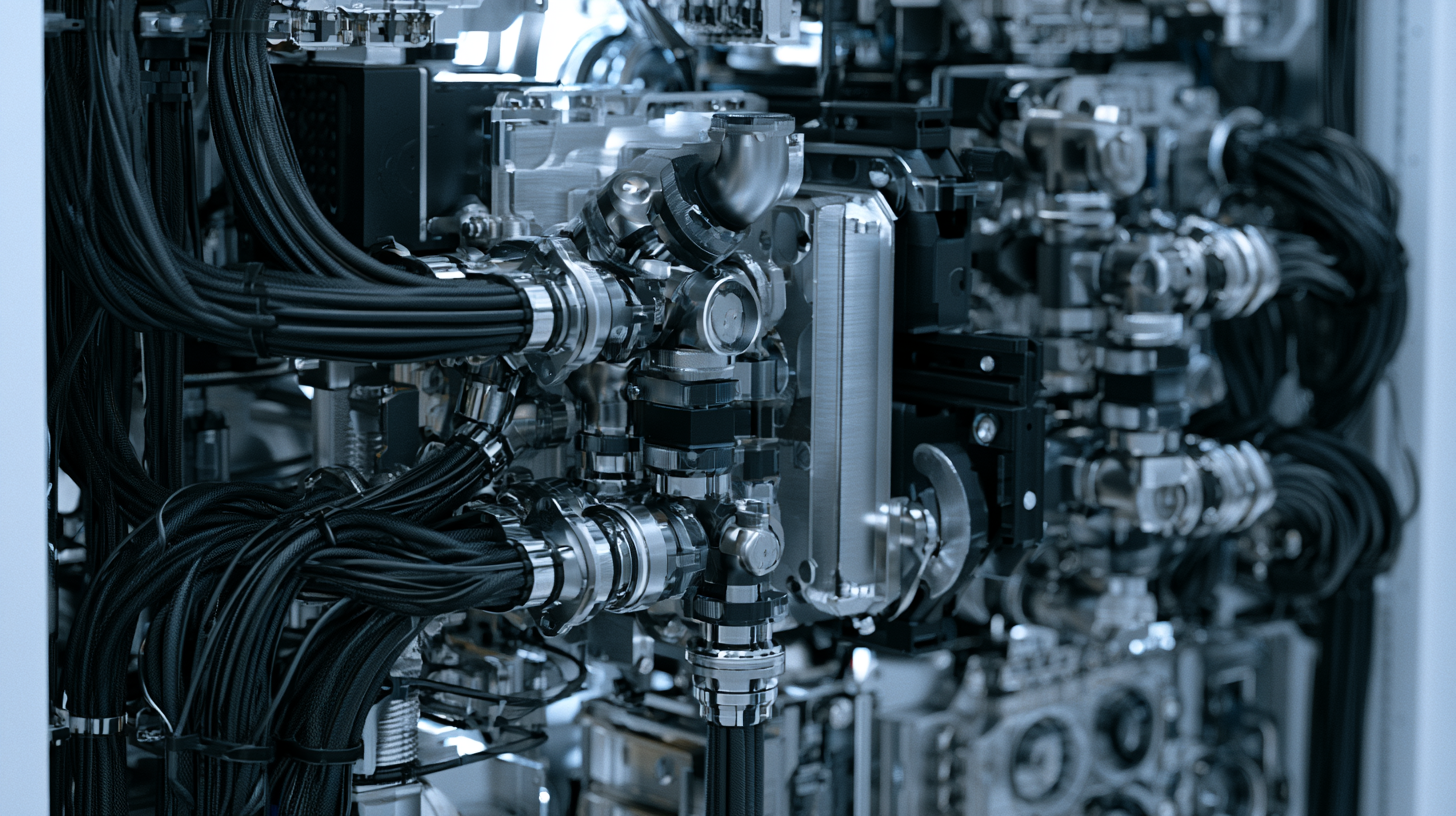
A successful migration starts with an inventory of workloads. Training, fine-tuning, inference, retrieval pipelines, batch embedding jobs, and agentic systems place different demands on infrastructure. Planning should classify workloads by business priority, runtime behavior, data sensitivity, and growth trajectory, then examine several dimensions:
SOC 2 Type II alignment provides a useful baseline for evaluating operational discipline and control maturity.
Growth forecasts tie these inputs together. AI teams should model expected GPU demand, storage growth, inference traffic, and model refresh cadence over 12, 24, and 36 months. Dedicated infrastructure works best when planning reflects the enterprise roadmap rather than the last cloud bill.
A structured migration reduces operational risk while preserving clear validation points:
This phased approach treats migration as an operating-model transition, not simply a hardware move.
Infinite Compute provides managed GPU infrastructure for enterprises moving AI workloads into dedicated environments. Its model combines dedicated GPU capacity, architecture planning, deployment support, orchestration, monitoring, lifecycle management, and SOC 2 Type II-aligned operational controls. Migration complexity rarely comes from GPUs alone; it comes from turning GPUs into reliable enterprise AI infrastructure.
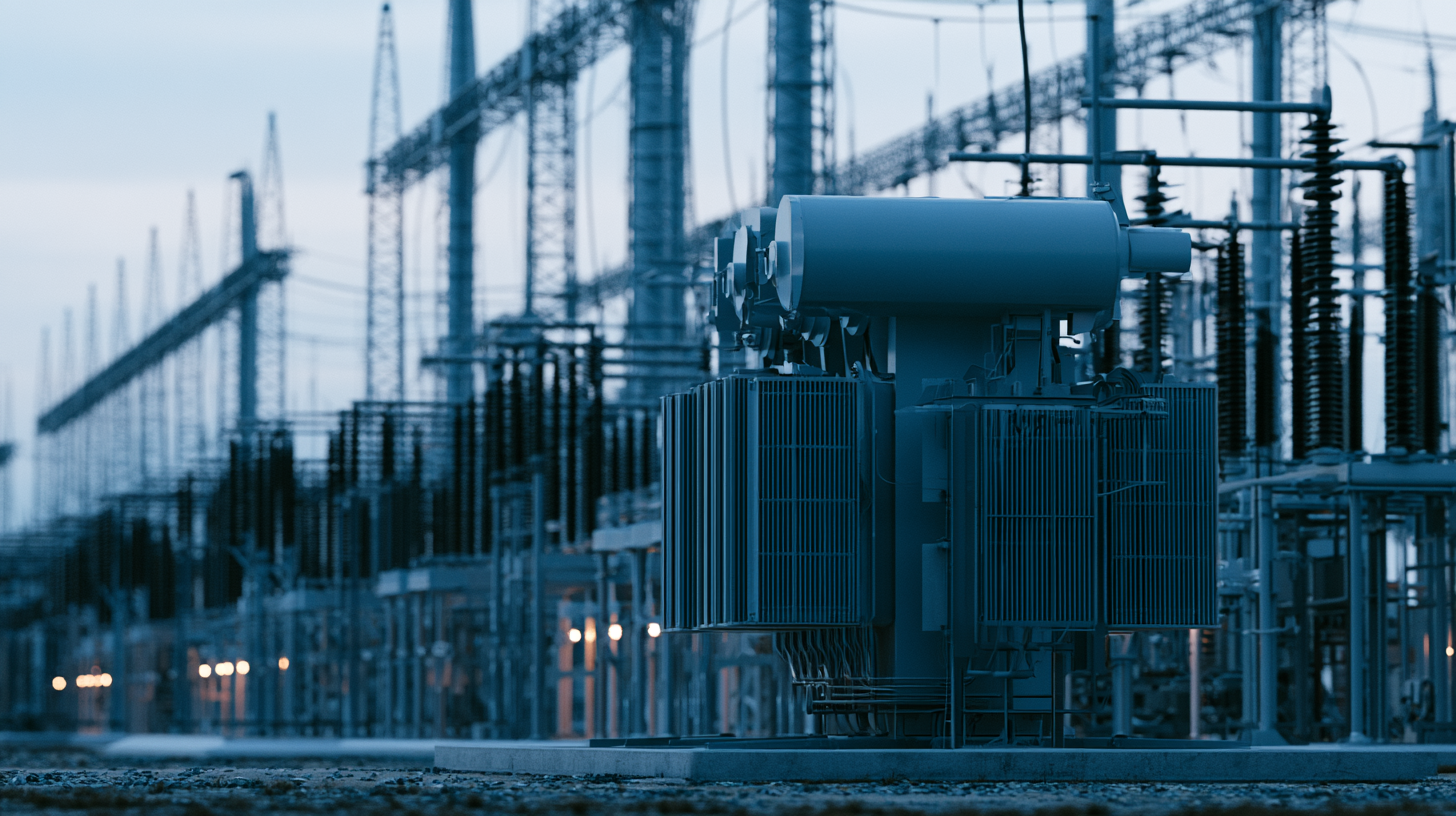
The company’s vertically integrated approach gives buyers a clearer line from power to facility to hardware to managed operations. Renewable energy across Canadian and US sites supports infrastructure planning aligned with long-term sustainability requirements. NVIDIA Partner Network certification supports priority hardware allocation in a constrained supply market. Bare metal clusters from 8 to 10,000+ GPUs, connected with InfiniBand NDR, support workloads ranging from production inference to distributed training.
The managed service layer helps enterprise teams reduce infrastructure burden. Architecture planning aligns workloads with target capacity. Deployment support reduces transition risk. Monitoring improves visibility into cluster health and workload behavior. Lifecycle management supports hardware evolution, maintenance planning, and ongoing optimization.
For CTOs, CIOs, VPs of Engineering, and Heads of AI, this model addresses a practical need. Enterprise teams want production AI capacity that can be planned, governed, and operated without building an internal data center, GPU supply chain, liquid cooling practice, and cluster operations function from scratch.
This model is part of Infinite Compute's broader infrastructure approach, and sits alongside the wider build-vs-rent decision explored in Beyond Build vs. Rent: The Rise of the Managed AI Infrastructure Partner Model.
A managed infrastructure partner should be evaluated on operational substance. Generic access to GPUs is insufficient for production AI. Buyers should assess the following areas:
The best partner behaves like an extension of the enterprise platform function, connecting infrastructure performance to AI roadmap execution, cost predictability, utilization improvement, and time-to-production.
AI workload migration from hyperscalers to dedicated AI infrastructure is a strategic shift in how enterprises operationalize AI. Production AI requires more control, predictability, and infrastructure depth than experimental environments. Dedicated infrastructure improves cost predictability, performance consistency, capacity planning, workload isolation, and observability. Managed GPU infrastructure adds the operational layer required to make that foundation practical.
Enterprise AI now depends on infrastructure execution. The organizations that secure predictable capacity, control their operating environment, and migrate with discipline will be better positioned to turn AI roadmaps into resilient production systems. Talk to our team about migrating your AI workloads onto dedicated infrastructure.
Disclaimer: InfiniBand is a trademark of NVIDIA Corporation.


